- Superpower Daily
- Posts
- OpenAI Beefs Up ChatGPT’s Image Generation Model
OpenAI Beefs Up ChatGPT’s Image Generation Model
Discord group says it accessed Claude Mythos by guessing location

Saeed Ezzati
April 23, 2026

In today’s email:
⛑️ Americans Turning to AI to Supplement Healthcare Visits
🔥 Workspace Agents in ChatGPT
☠️ Meta will record employees’ keystrokes and use it to train its AI models
🧰 12 new AI-powered tools and resources. Make sure to check the online version for the full list of tools.



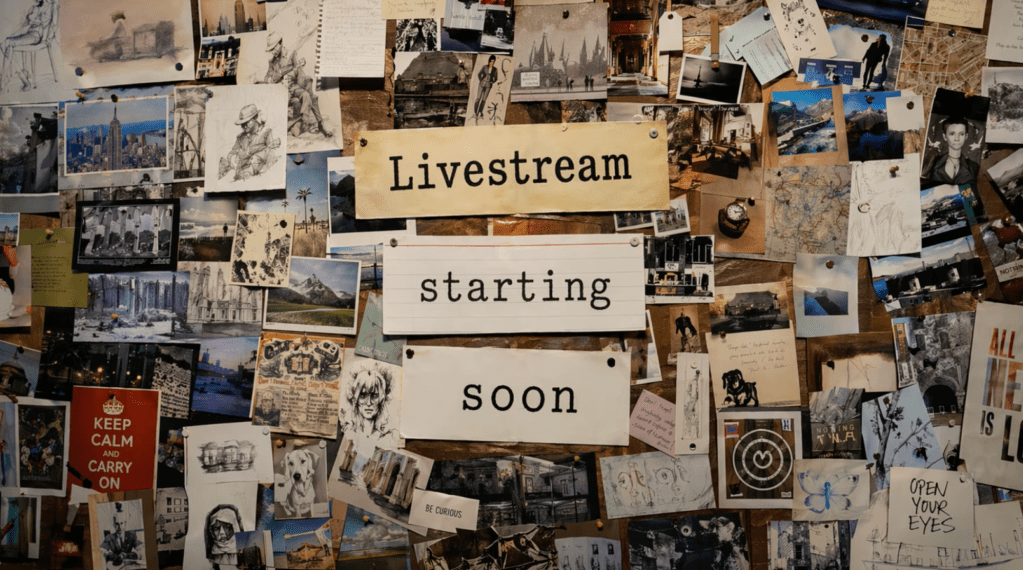
Key Takeaway: OpenAI’s new ChatGPT Images 2.0 model is a major upgrade focused on generating sharper, more detailed images with much better text rendering, broader language support, web-informed creation, and stronger usefulness for both consumers and enterprises.
More Insights:
Images 2.0 can create multiple related images from one prompt, including things like magazines, booklets, and comic strips.
The model is much better at rendering readable text, which has long been a weak spot for AI image generators.
OpenAI says it supports non-Latin languages better, though testing suggests it still performs best in English.
Images can now reach up to 2K resolution and come in multiple aspect ratios.
OpenAI is also expanding Codex for enterprise through a new Codex Labs program to help companies integrate it into real workflows.
Why it matters: This matters because AI image generation is shifting from making flashy visuals to producing usable, real-world creative assets. Once these models can reliably handle text, layout, and research-backed content, they stop being novelty tools and start becoming serious design, marketing, and productivity infrastructure.
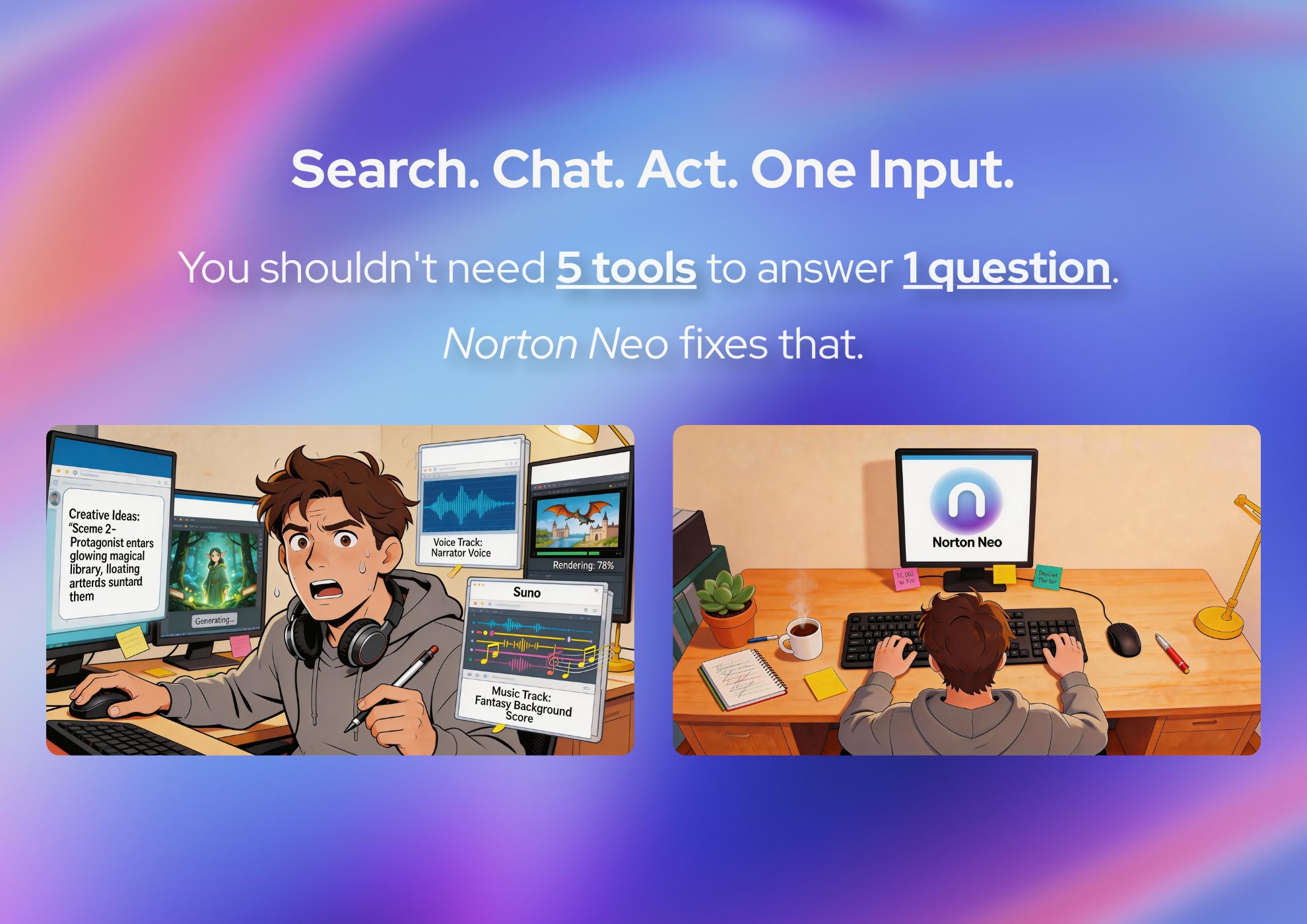
Right now, getting answers online means juggling tabs, copying text into a separate AI tool, losing your place, and starting over. Norton Neo is the first safe AI-native browser built by Norton, and it cuts all of that out. Hover any link for an instant summary without opening a new tab. Search every tab, chat, and bookmark from one place. Write with AI built right into whatever page you're on.
No external tools. No broken flow. Every action protected by built-in VPN and ad blocking, all running quietly in the background while you work.
Fast. Safe. Intelligent. That's Neo.
Key Takeaway: A small Discord group reportedly gained unauthorized access to Anthropic’s highly restricted Claude Mythos model through weak access controls and a third-party vendor pathway, raising serious concerns about whether AI companies can securely contain the very tools they claim are too dangerous for public release.
More Insights:
Claude Mythos is being kept private because Anthropic says it can find and exploit zero-day vulnerabilities across major operating systems and browsers.
The group reportedly found the model by guessing its location based on Anthropic naming patterns, not through a sophisticated hack.
Bloomberg says one person in the group had privileged access through a third-party contractor, which may have helped enable the breach.
Anthropic confirmed it is investigating the claim and said it currently has no evidence of broader system compromise.
Cybersecurity experts say the bigger issue is not just the breach itself, but how easily dangerous AI capabilities could spread beyond intended controls.
Why it matters: If companies cannot securely gatekeep frontier AI systems that are designed to expose or weaponize software weaknesses, the risk is not only technical failure but a collapse of trust in how powerful AI is governed. The real question is no longer just what these models can do, but whether anyone can truly control them once they exist.

Key Takeaway: AI is becoming a common healthcare sidekick for Americans, mostly to prepare for or follow up on doctor visits, but a notable number are already using it in ways that replace professional care despite low trust in its accuracy.
More Insights:
About 25% of Americans have used AI for health information or advice.
Most users turn to AI before or after seeing a doctor, not instead of one.
Around 14 million U.S. adults report skipping a provider visit after using AI advice.
Only 4% of users strongly trust the accuracy of AI-generated health information.
People commonly use AI for symptoms, nutrition, exercise, medication side effects, and understanding diagnoses.
Why it matters: This signals a major shift in how people navigate healthcare: AI is no longer just a convenience tool, it is starting to influence real medical decisions. That creates both opportunity and risk. When patients use AI to ask better questions, healthcare can become more informed and efficient. But when people act on advice they do not fully trust, especially because of cost, access, or bad past experiences, AI stops being just a helper and starts exposing cracks in the healthcare system itself.
Other stuff
Workspace Agents in ChatGPT
An undergraduate used AI assistants to rewrite leaked source code for Claude Code in a different language
Google says 75% of new code created inside the company is now generated by AI and reviewed by human engineers
AI Overviews are coming to your Gmail at work
Mars or the Moon or A.I.? Elon Musk’s Changing Goals for SpaceX.
Meta will record employees’ keystrokes and use it to train its AI models
SpaceX is working with Cursor and has an option to buy the startup for $60B
Take ChatGPT to the next level 🎉
Add folders and subfolders, prompt manager, prompt optimizer, image gallery, side-by-side voice mod, PDF export, reference chats, chat notes, and many more features.

ChatGPT Images 2.0 - First image model with thinking capabilities

illumi - AI visual workspace that takes you from thinking to delivery

Your first HR system, implemented right

Rolling out your first HR tool? Get a step-by-step guide to avoid common mistakes, drive adoption, and build a scalable HR foundation.
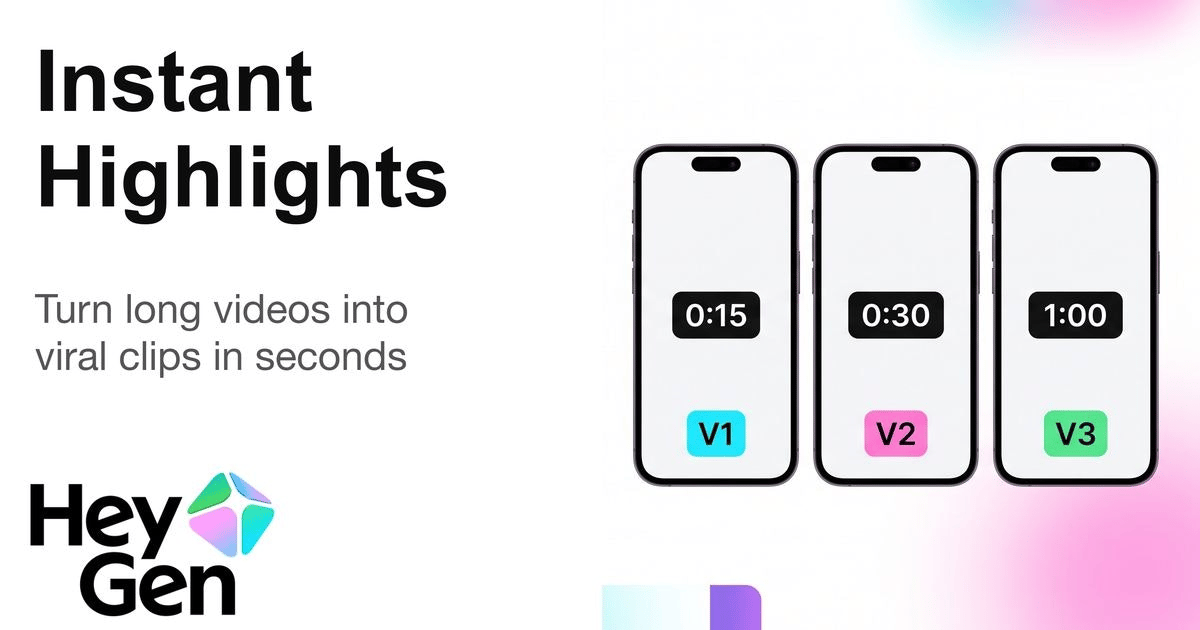
Instant Highlights V2 by Heygen - Turn long videos into viral clips in seconds
Portt - Transform your photo into any era and any location


Flow AI - Turn Linkedin into unlimited leads on auto-pilot

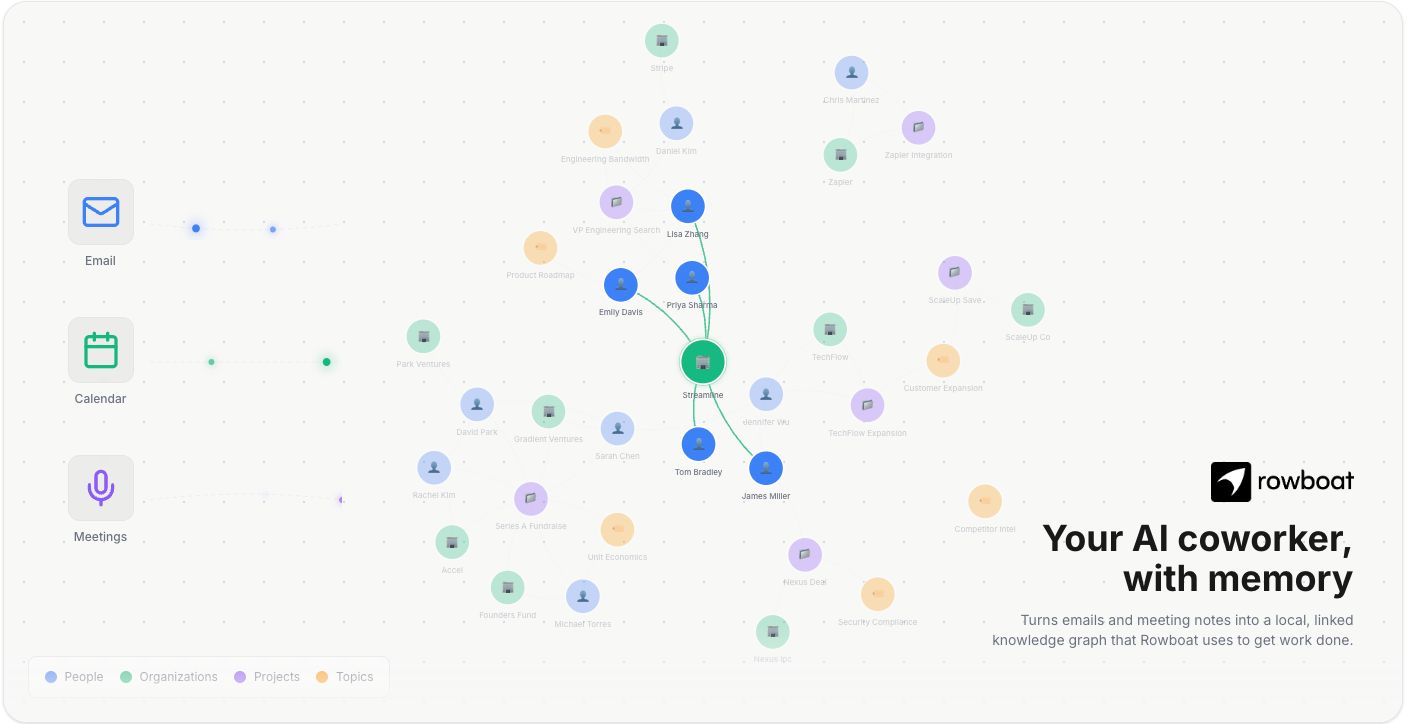
Rowboat - The AI work app that understands how you work
ClankerPass - Can you convince an AI that you're an AI?

Stanley For 𝕏 - The world's first AI Head of Content

Tines Story copilot - A conversational AI interface to build intelligent workflows

Stet - Smart open-source dictation that sounds like you, not AI.


Unclassified 🌀
Learn to build reliable, scalable AI agents with context engineering to fix memory, coordination & production failures. Reserve Your Spot!
How did you like today’s newsletter? |
Help share Superpower
⚡️ Be the Highlight of Someone's Day - Think a friend would enjoy this? Go ahead and forward it. They'll thank you for it!
Hope you enjoyed today's newsletter
Did you know you can add Superpower Daily to your RSS feed https://rss.beehiiv.com/feeds/GcFiF2T4I5.xml
⚡️ Join over 300,000 people using the Superpower ChatGPT extension on Chrome and Firefox.
OR
